

In startups, investing, and even games, more than half—if not most—attempts end in failure. Behavioral economics also shows we feel losses more strongly than wins. Looking at my own play, the emotional swing from a loss often dwarfs the joy of a win, which pretty much captures that idea.
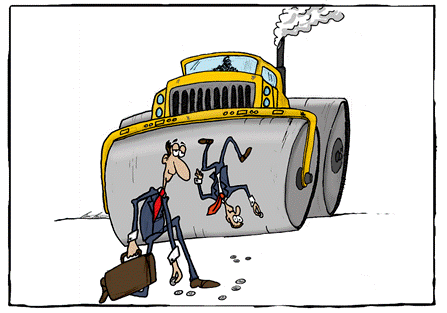
In other words, left to our emotions, we naturally drift toward avoiding losses and minimizing risk. In stock trading, there’s a cautionary saying, picking up pennies in front of a steamroller: small, steady gains, then one big blowup. Novices take profits early and earn bit by bit, then refuse to cut their losses and get hit hard, ending up in a negative overall position. (I’ve felt this. haha)
Metacognitively, winning requires mastering fear and having the nerve to do the opposite of the crowd. This means learning to tame situations that would feel overwhelmingly uncomfortable to a typical mindset.
As a long-time founder, this sinks in. Short-term losses are common, and each one makes my chest tighten. The job is to domesticate that unease. Without that, there is no outsized long-term success.
In short, losses, frustration, and those stomach-and-heart-clenching moments are chances to grow. I know it’s hard, but without pushing through, we won’t do anything significant.
Aside.
I’m working outside my home country right now, in an unfamiliar environment, and some meetings can be overwhelming. At the same time, I have a gut feeling this is a chance to break out of my shell, and I think it’s important to deliberately label that feeling as “pleasure.”
Here’s the payoff: I wrote this as a knee-jerk after seeing an online tidbit that top players in “Pokémon TCG Pocket” win about 55% of their matches.
*Header image credit